Learning from the Masters: A Journey into Florentine Craftsmanship
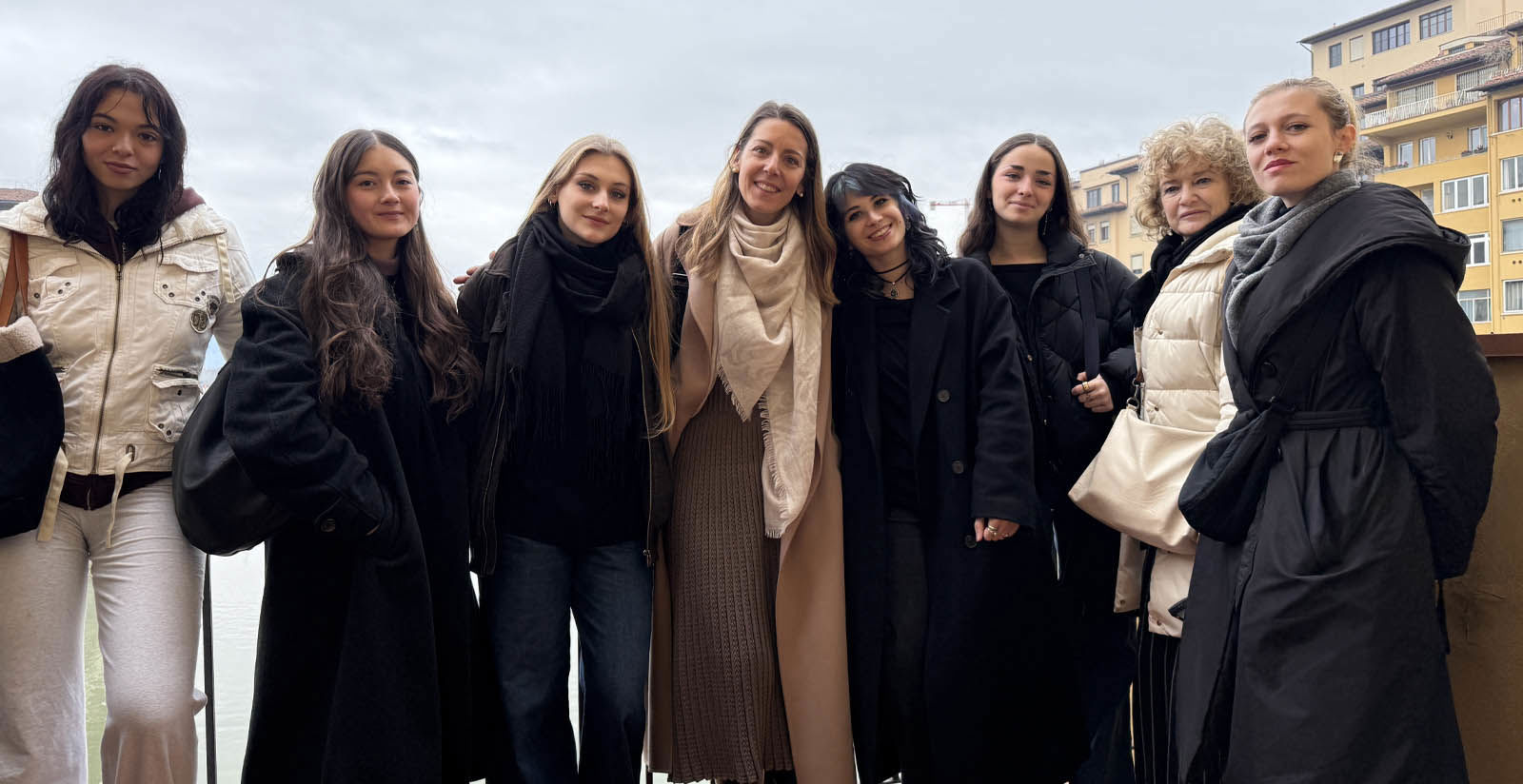
In recent days, we spent time in Florence with the five scholarship recipients currently completing their academic year at LAO – Scuola di Arti Orafe of Florence, guiding them through a day dedicated to discovering the city’s living craft heritage.
The experience was designed to connect contemporary education with the places, stories, and people that have shaped— and continue to shape—Florence’s artisanal identity. It offered the students a chance to see how knowledge learned in the classroom translates into practice, culture, and professional life.
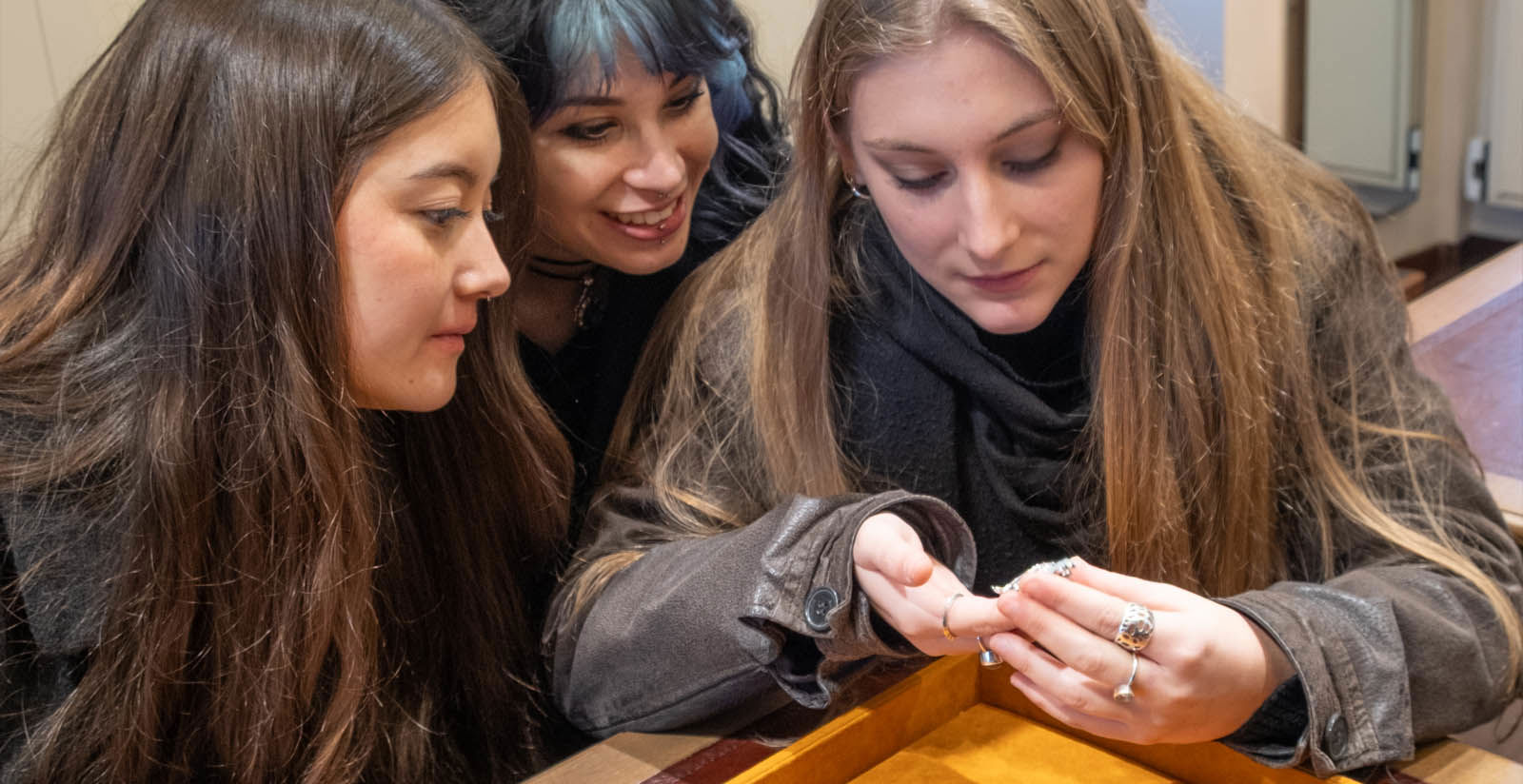
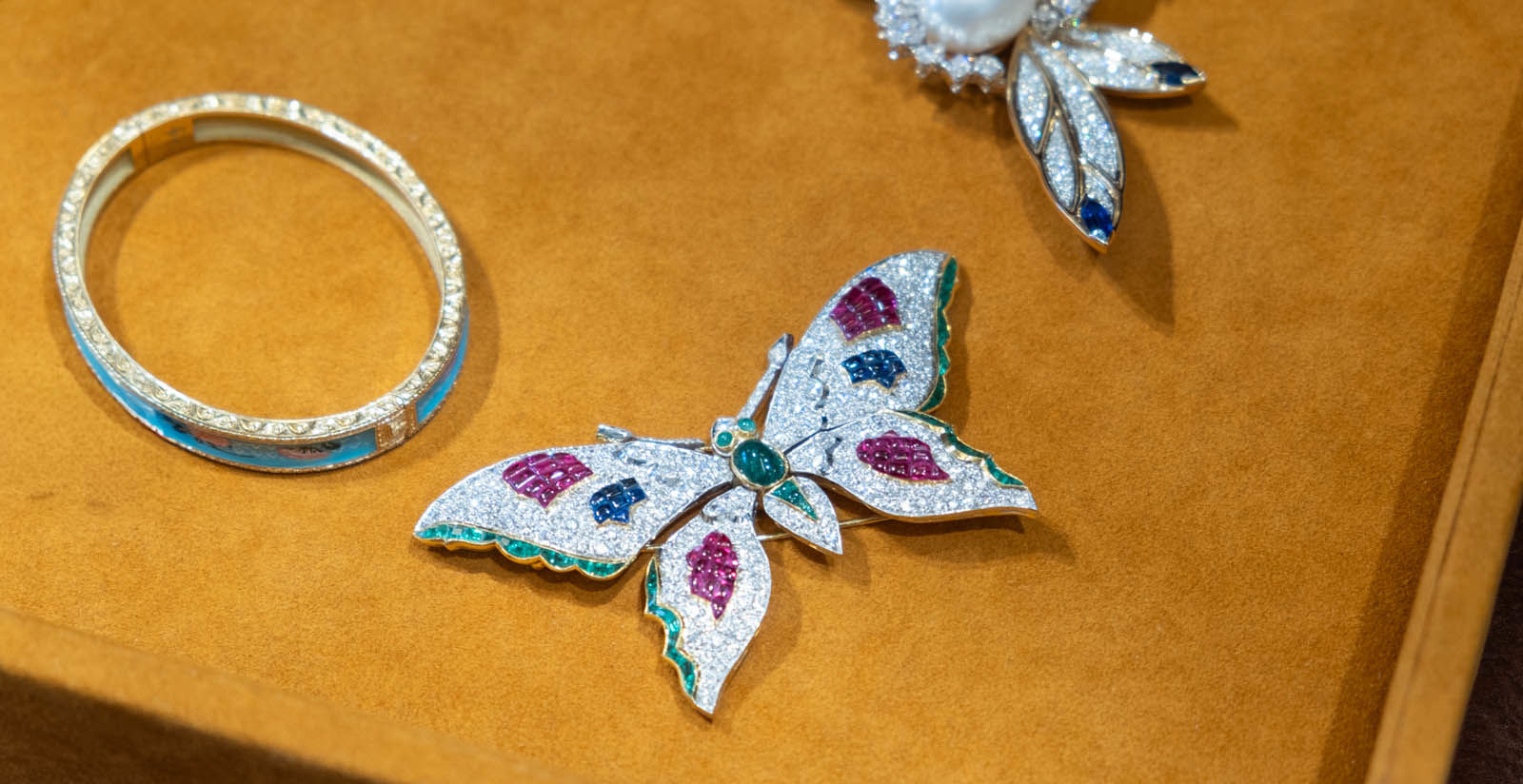
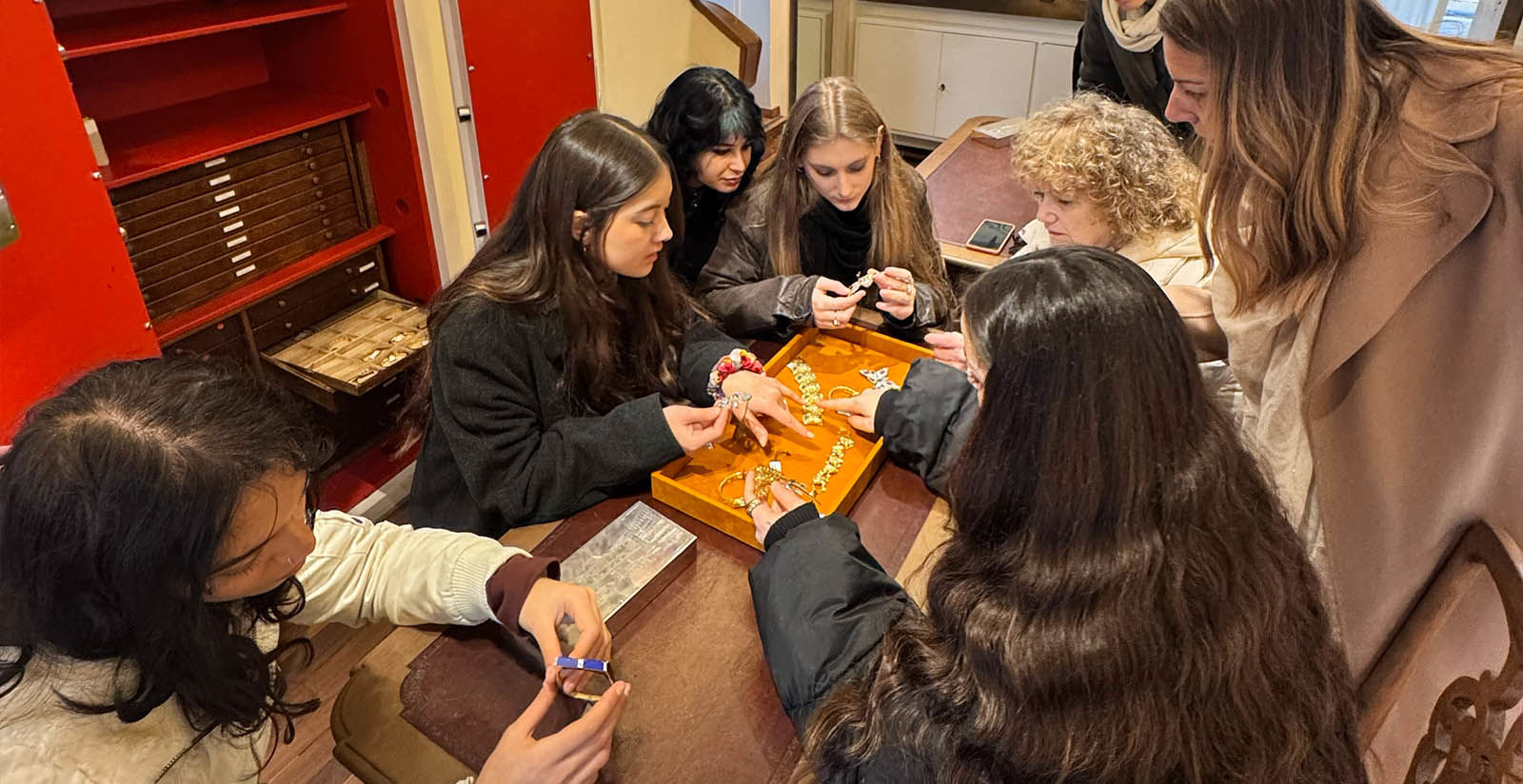
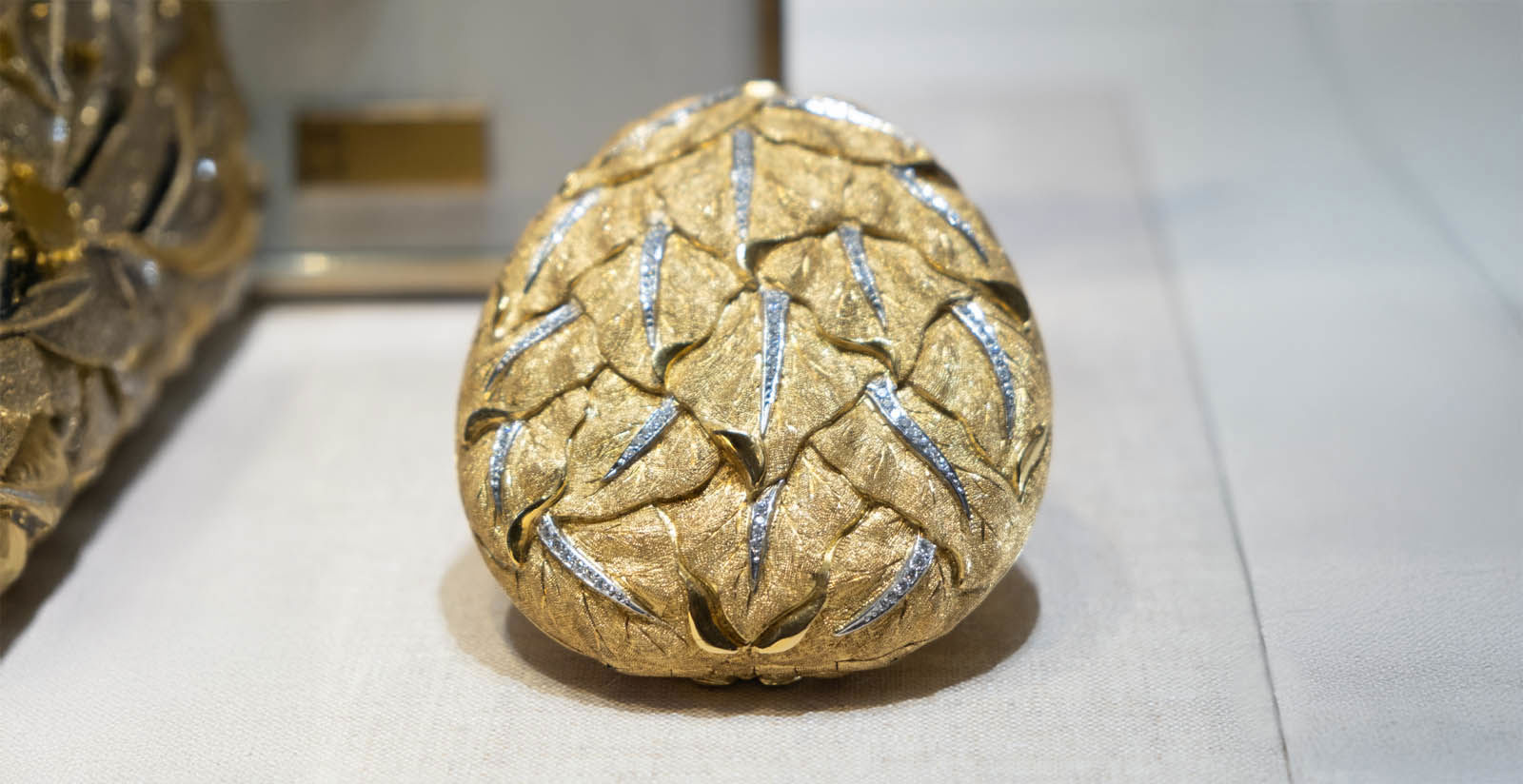
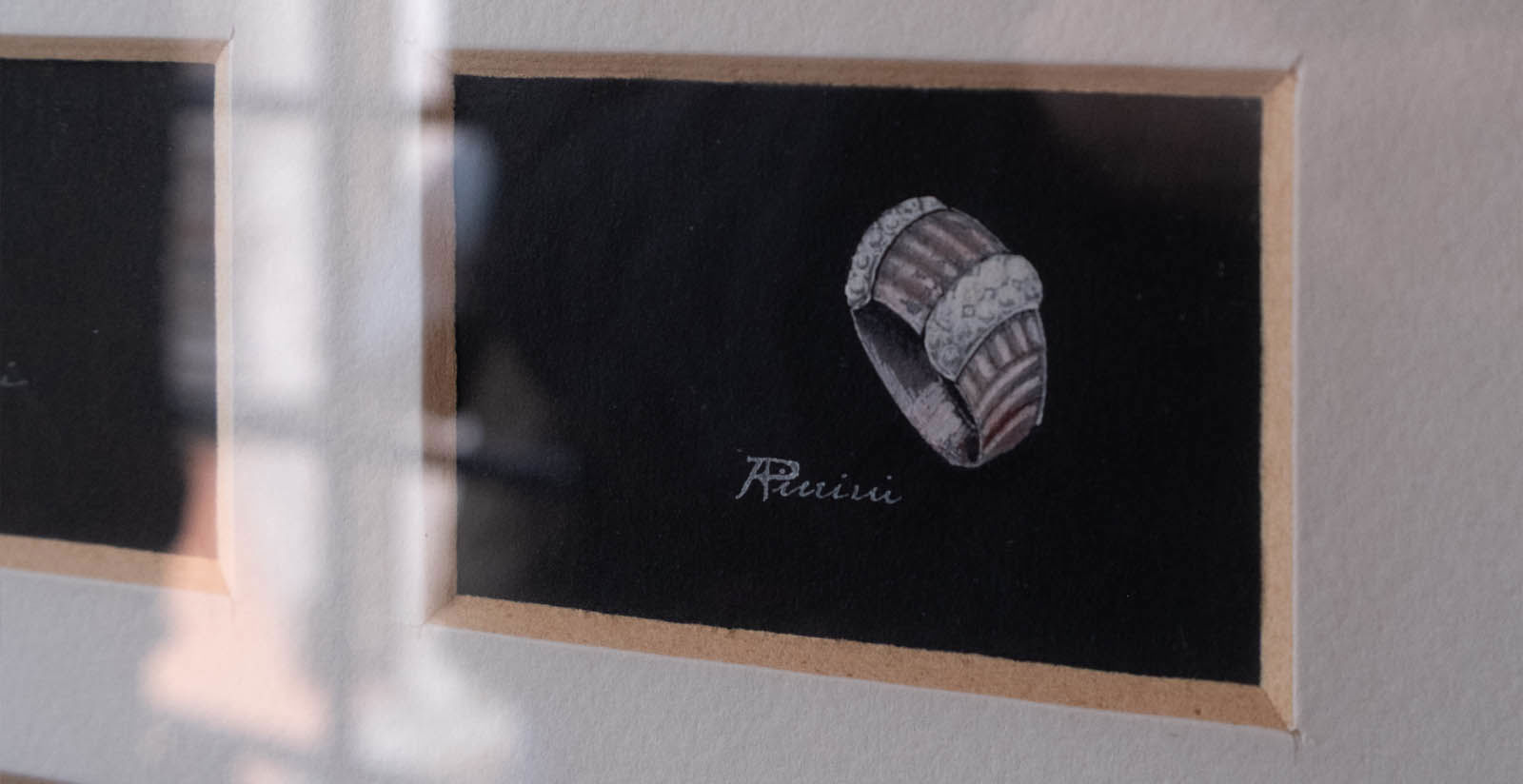
Our first stop was Gioielleria Fratelli Piccini, a historic Florentine jewelry house founded in the late nineteenth century and long regarded as a point of reference for high goldsmithing. Through the archival material of Armando Piccini—original drawings, sketches, models, and heritage pieces—the students traced the evolution of the maison, discovering designs inspired by nature and the city of Florence itself.
For young goldsmiths in training, the archive is not simply a record of the past, but an active design resource. The group examined proportions, construction methods, and technical solutions, comparing different approaches to craftsmanship. The visit culminated in the atelier on the top floor, overlooking the Arno: a rare, almost timeless space where the maison’s sole goldsmith still creates bespoke jewelry entirely by hand. The experience concluded at the new Via Roma boutique, where historic collections stand alongside contemporary designs, demonstrating how tradition can evolve while preserving its identity and rigor.
After lunch at THE PLACE Firenze, the day continued with a second, equally meaningful visit to the historic leather goods house Bianchi e Nardi 1946.
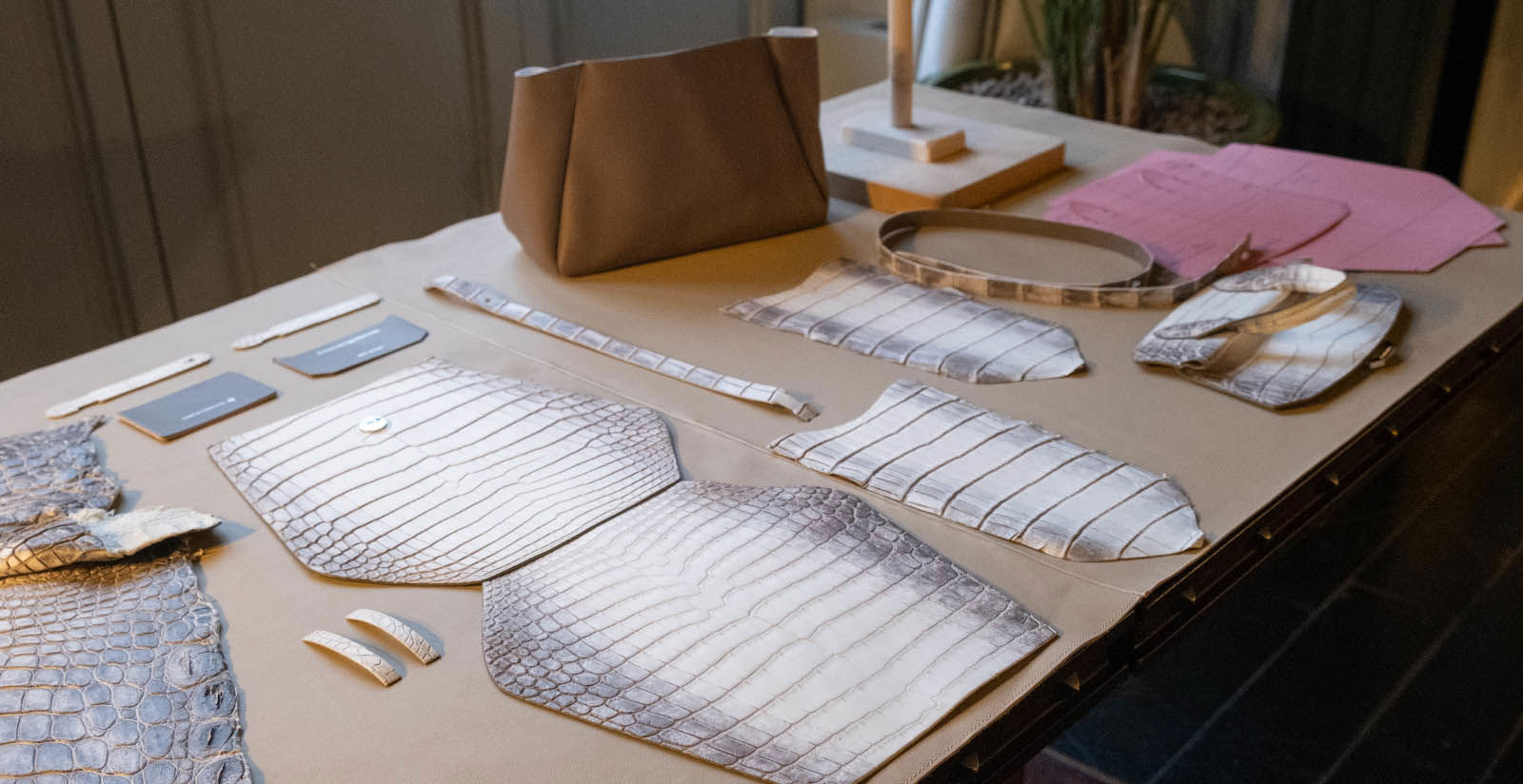
Here, the focus shifted to a larger yet deeply artisanal production environment. The students were guided through the full manufacturing process, from the selection of fine and exotic leathers to the many hand-executed stages involved in creating a finished bag. Today, around one hundred artisans work within the company, each trained across multiple techniques, with every phase of production still carried out by hand.
For the students, this visit offered a powerful insight into how artisanal excellence can thrive within a structured organization. It highlighted the importance of teamwork, specialization, and the transmission of skills, showing that craftsmanship and enterprise are not opposing forces, but can coexist at the very heart of a company.
Experiences like these are a fundamental part of the students’ professional and personal development. By engaging directly with workshops, archives, and working artisans, they gain a tangible understanding of the value of tradition and its relevance today, strengthening the bridge between education and real-world practice.